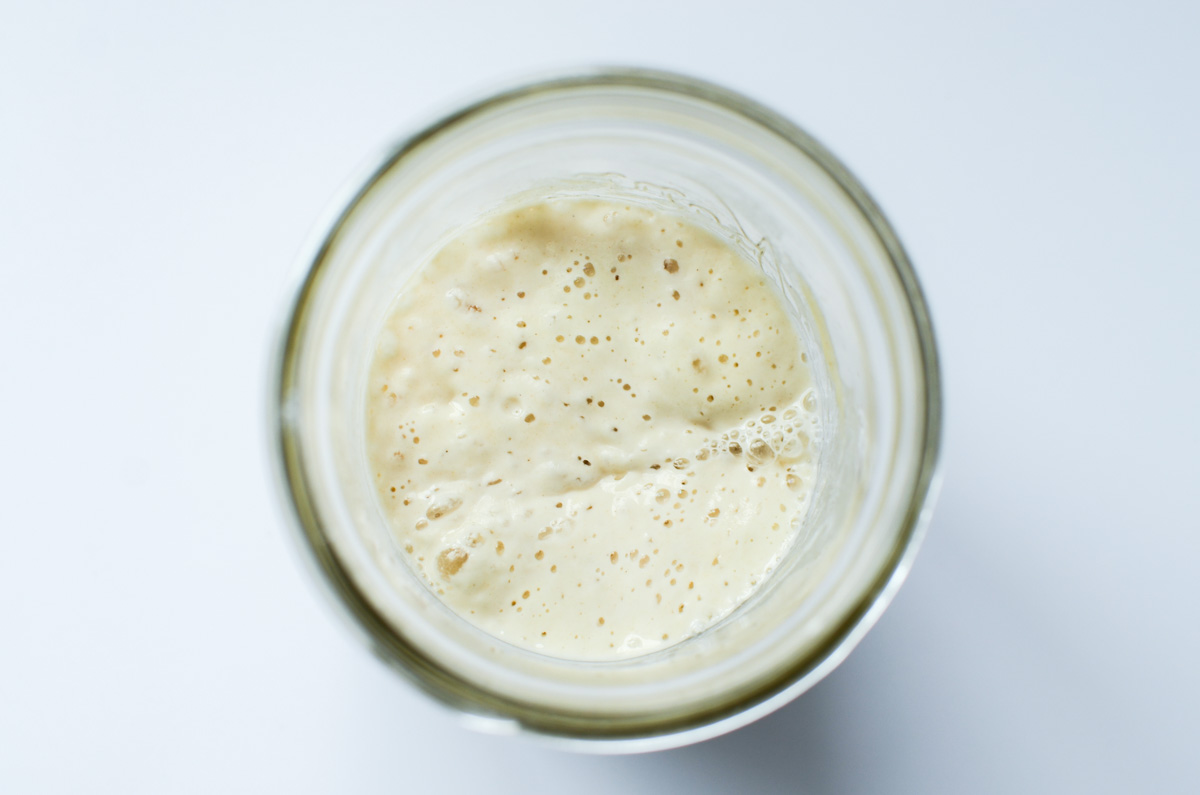
What is Sourdough Discard?
Do you have sourdough discard? This guide will help you understand what it is, how to take care of it, and how to use it in your favorite sourdough discard recipes.
Sourdough discard is often a misunderstood aspect of baking with sourdough.
I hear all sorts of different questions concerning sourdough discard from those new to their sourdough journey.
- What is it?
- Can you actually bake with it, or do you throw it out?
- Are there any fermentation benefits like an active sourdough starter?
- What to do with sourdough discard when you have more than you know what to do with.
If this resonates with you, you’re in the right place! This guide answers the most common sourdough discard questions.
Save This For Later!
We’ll email this post to you so it doesn’t get lost in your open tabs!
By submitting this form, you consent to receive emails from Lockrem Homestead
New to Sourdough?
If you’re new to sourdough baking, these beginner-friendly guides will help you get started with confidence. Learn how to make a Sourdough Starter from Scratch, feed and maintain it with the Complete Sourdough Starter Guide, and bake your first loaf with this Easy Sourdough Bread Recipe. Together, these guides create a solid foundation for your sourdough journey.
Sourdough Starter
Learning how to bake with sourdough encompasses two main parts.
- What a sourdough starter is, its role in baking, and how to care for it.
- How to use a sourdough starter in recipes.
In simple terms, a sourdough starter is a colony of wild yeast used to leaven breads and other baked goods in place of a commercial leavening agent, like instant yeast. This Complete Sourdough Starter Guide has more in-depth information.
Understanding sourdough discard is an extension of the first, the sourdough starter. It has its own, unique subset of parameters because how and when we use it is different from an active sourdough starter.
Why You’ll Love Sourdough
- Great flavor – Baking with sourdough adds a delicious tang to baked goods.
- Health Benefits – Using a sourdough starter adds long-fermented benefits to breads and other baked goods.
- Adaptable – A sourdough starter can be adjusted to suit your preferences. Use a variety of flours, like whole wheat, rye, einkorn, or classic all-purpose flour. You can even use a gluten-free flour to make a gluten-free starter.
- Versatile – Sourdough baking has a wide range of possibilities beyond using in sourdough bread dough. Use it to create cakes, muffins, cookies, and quick breads.
What is Sourdough Starter Discard?
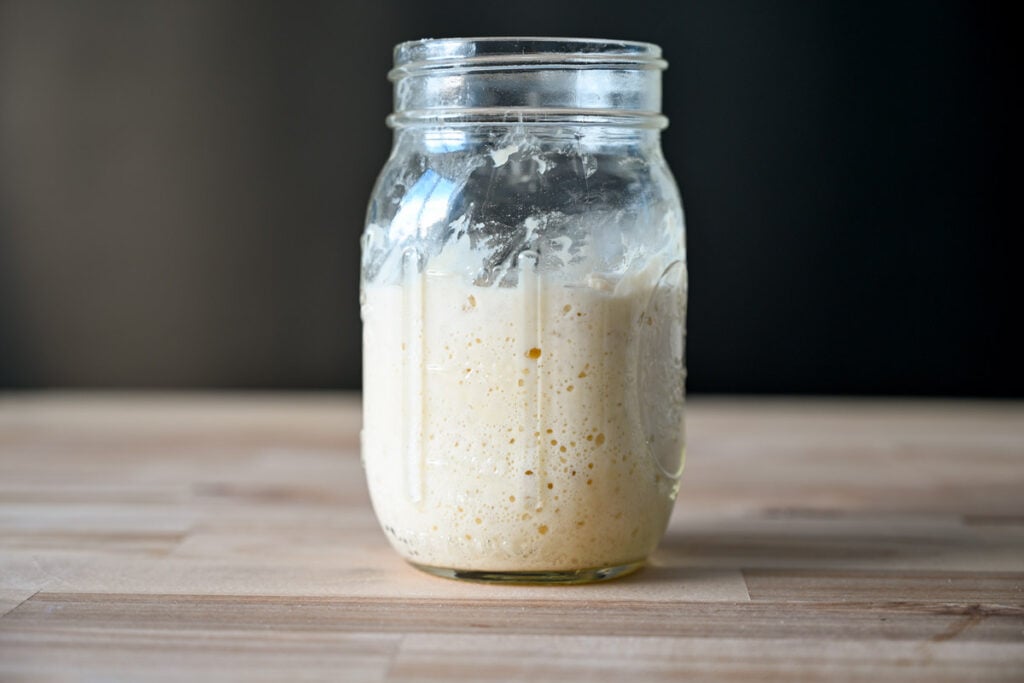
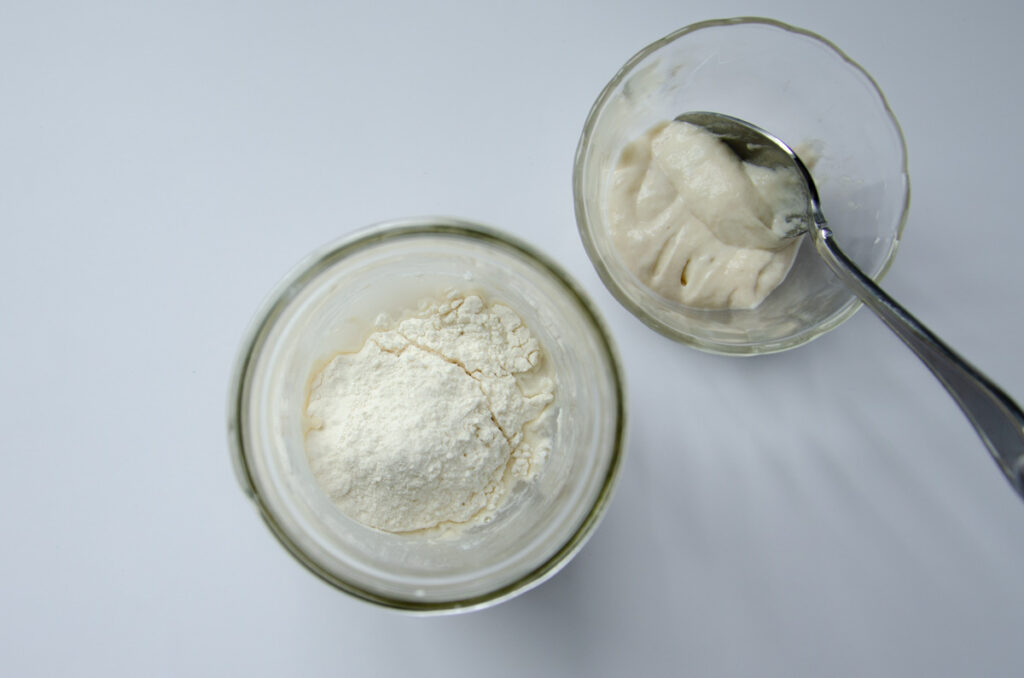
Sourdough discard is the portion of an inactive sourdough starter that you remove before a feeding. It goes by other names, like unfed starter, spent starter, or leftover starter.
A sourdough starter goes through a fermentation cycle of feeding, rising, and declining.
At this point, it becomes slack and inactive. To feed, pour off a portion of the inactive starter, the discard, and feed the remaining part to start the cycle over again.
Some bakers never use the discard and simply throw it away. However, to reduce food waste, I like to add it to baked goods. This allows me to avoid throwing away the leftover sourdough starter. Here, it imparts its iconic sourdough flavor, improves the texture, and adds moisture.
Why do You Discard Sourdough Starter?
Unless you plan to bake with it right away, discarding a portion of your starter is essential to keeping a healthy starter.
Feedings are based on ratios. A common feeding ratio, 1:1:1, is equal parts starter, flour, and water. Discarding a portion keeps the starter from growing to an unmanageable amount.
For example, if you have 125 grams of starter (1/2 cup), it needs to be fed the same amount in weight (not volume), 125 grams flour (1 cup), and 125 g water (1/2 cup).
Now, you have 375 g of starter. If you use 125 g in a recipe, 250 g remains. This is so much discard! If the next time you feed without discarding, your starting point is 250 g. Feeding a 1:1:1 ratio means using a large amount of flour.
What is Sourdough Starter Discard?
Sourdough discard is the portion of an inactive sourdough starter that you remove before a feeding. It goes by other names, like unfed starter, spent starter, or leftover starter.
A sourdough starter goes through a fermentation cycle of feeding, rising, and declining.
At this point, it becomes slack and inactive. To feed, pour off a portion of the inactive starter, the discard, and feed the remaining part to start the cycle over again.
Some bakers never use the discard and simply throw it away. However, to reduce food waste, I like to add it to baked goods. This allows me to avoid throwing away the leftover sourdough starter. Here, it imparts its iconic sourdough flavor, improves the texture, and adds moisture.
Maintain a Small Sourdough Starter
A different option is to keep a small portion of starter. With each feeding, make just enough active starter to bake with, plus a small portion to carry over and store in the fridge. By maintaining a small amount, 10-20 grams of starter, you can skip the discard process and still have a healthy, strong starter.
This is what I like to do. For example, I keep 30 g of starter at all times. When I am ready to bake with it, I feed it a higher ratio to get the amount of active starter I need in a recipe. Say the recipe calls for 125 grams of active starter, I will feed a ratio of 30 g starter, 60 g flour, 60 g water for a total of 150 g. I use 125 g for my recipe, with a small portion left behind in the jar.
Now, I place the jar in the fridge until I’m ready to bake again. This small portion of starter becomes the starting point for the next time I am ready to bake.
How Often Should I Discard?
It depends on how often you feed and bake with it. To keep a manageable amount of starter, using fewer resources, discard a portion of your sourdough starter before each feeding.
For those keeping a small portion of starter, you may never need to discard.
Benefits of Using Sourdough Discard
- Long Ferment – Fermenting helps break down the phytic acid in the grains and makes it easier to digest.
- Moisture – Made of flour and water, sourdough discard incorporates more liquid into your recipes.
- Less Waste – On the homestead, we make use of every bit of food, so nothing goes to waste. Adding discard to a variety of recipes makes good use of it that would otherwise be thrown away.
- Flavor – Adding discard is a great way to impart a delicious, tangy flavor to baked goods. Enjoy a wide variety of delicious recipes, like sourdough pancakes, oatmeal chocolate chip cookies, and pie crust.
How to Store Sourdough Discard
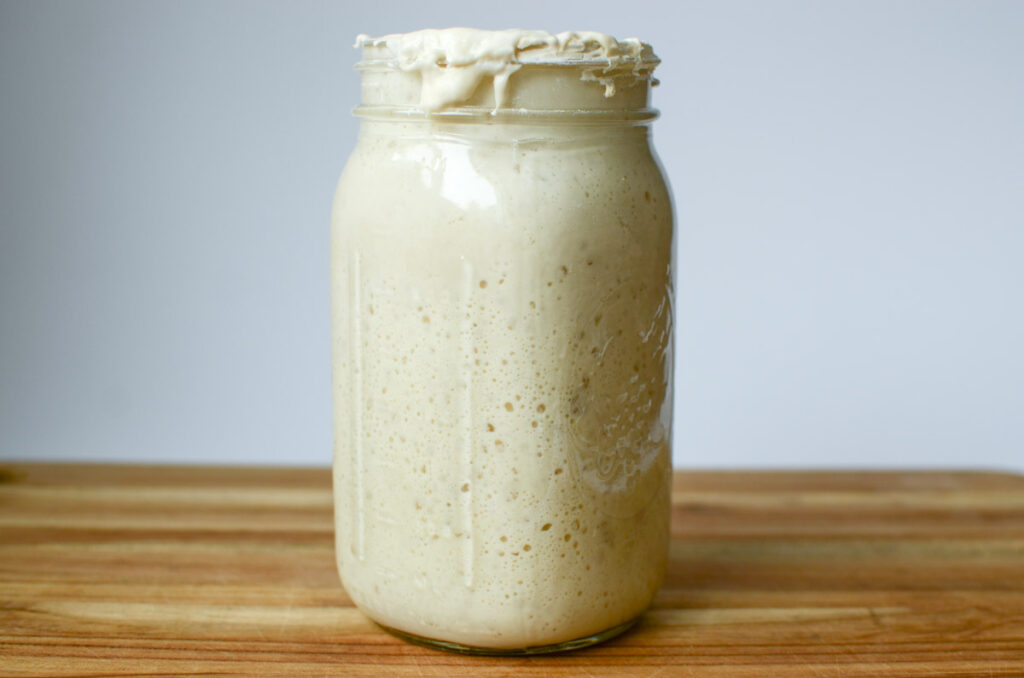
Sourdough discard should be kept in the refrigerator. I keep mine in a mason jar because I have many, but you can also use a crock, Weck jar, or plastic container. I suggest a clear container so it doesn’t get lost in the back of your fridge.
Some bakers keep a jar of sourdough discard in the fridge. Over time, they gradually add discard to it and let it accumulate for later use.
The longer the discard sits, the more sour it becomes. It’s best to use the discard within 2 weeks for the best flavor.
Can you freeze sourdough discard?
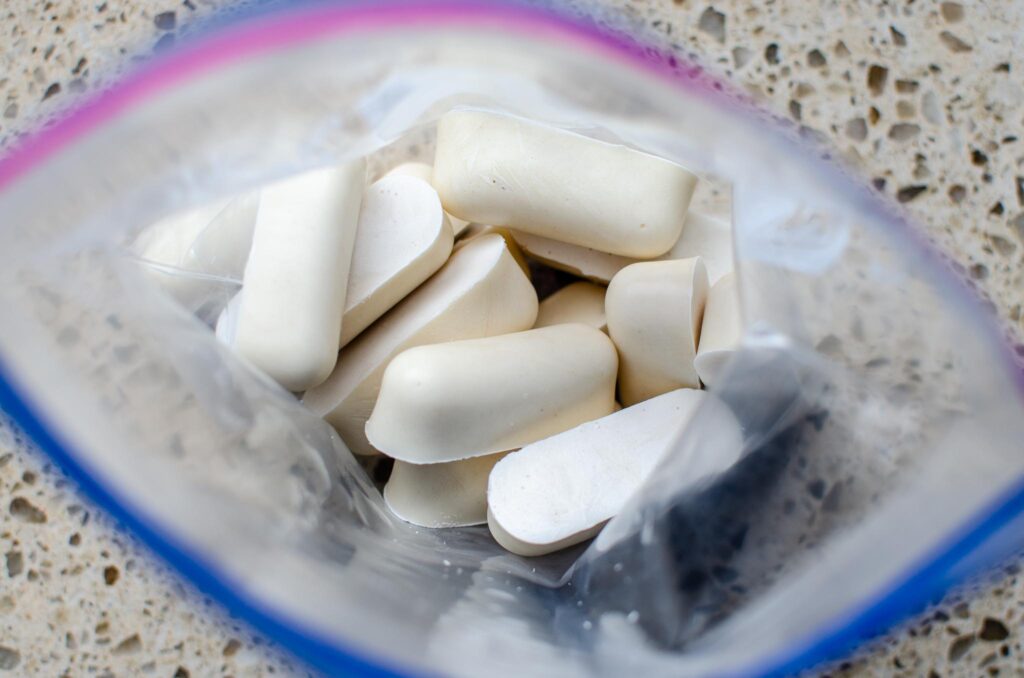
Yes, if you have a lot of discard, freezing it is a simple way to extend the time before using it without it becoming more sour. Freeze it in small amounts like an ice cube tray. When ready to bake, pull out the desired amount and thaw before adding. These small portion sizes make it easy to vary amounts of discard and thaw quickly.
Other Sourdough Discard Storage Ideas
Create a shelf-stable sourdough discard by dehydrating it. Spread it on a piece of parchment paper and let it air dry. Once dry, crumble and add it to a jar. Use it to thicken sauces, impart flavor, or rehydrate a new sourdough starter.
How Long is Sourdough Discard Good For?
Sourdough discard can last for a long time as long as there isn’t any mold. A starter kept at room temperature will continue to become more sour faster than one kept in the fridge.
Old vs Young Sourdough Discard
Sourdough discard, like active starter, continues to develop a stronger sour flavor as it ages. Freshly discarded starter, often called young discard, has a mild, slightly sweet flavor. It has a thicker texture and is perfect to add to your favorite baking recipes.
As more time passes from its last feeding, the old sourdough discard becomes full of acetic acid and lactic acid, producing a sharp, acidic smell. The gluten strands continue to degrade, resulting in a runny texture.
What is Hooch?
Given enough time between feedings, an old discard starter shows signs of hunger. A thin, watery layer of liquid, made mostly of alcohol and water but also sugar and starch, forms at the top of the discard. If more time passes without a feeding, this layer goes from clear to a grey liquid, eventually turning black. As alarming as it looks, don’t worry about it. The starches and sugars oxidize, much like a cut apple begins to brown.
However, if there are strange colors in the hooch or starter, like pink or orange, your starter has become contaminated with a strain of mold. At this point, there’s no path forward with this starter. Throw it away and start a new sourdough starter.
Hooch is harmless. You can either pour the hooch off or stir it in before feeding. The thicker the layer of hooch, the more time it takes to revive the starter. A thin layer indicates it’s only moderately underfed. After a few feedings, it should be as good as new. But with a large amount of liquid, or if it’s dark, it may take more rounds of feedings before it’s strong enough to harness its leavening power.
Personally, if the layer is small, I leave it before using my discard. However, if there’s a large layer of hooch or it’s black, I pour this off since it has a strong smell. If you want a more sour flavor, leave it!

Does Sourdough Discard Have the Same Fermentation Benefits as Sourdough?
Discard sourdough recipes that are mixed and baked right away don’t have enough time to ferment any flour beyond what’s in the discard. However, you can long-ferment your sourdough starter discard recipes. Just mix and rest overnight before baking.
In other easy discard sourdough recipes without additional flour, like granola or crepes, the full fermentation benefits come from the discard alone.
If your recipe uses baking powder, be sure to use double-acting baking powder. Its first reaction occurs when it comes into contact with moisture (mixing), with the second happening when it comes into contact with heat. Some recipes add baking powder after the long ferment.
Is There Ever a Time You Should Throw Sourdough Discard?
Creating a new starter involves a regular rotation of discarding and feeding in a short amount of time. Before the starter is ready to bake with, throw this discard away. Until it has a healthy balance of yeast and beneficial bacteria, it’s really just flour and water. Adding it in your discard recipes won’t have any fermentation benefits.
If your starter gets lost in the back of your fridge and it’s been a long time since its last feeding, you’ll want to throw this discard. Technically, if there isn’t anything fuzzy, orange, or pink (mold), it’s safe to use. However, its flavor will be strong and unpleasant.
How to Use Sourdough Discard?
Don’t be stumped when you find yourself asking, what can I do with my sourdough discard?
If you’re a new sourdough baker, I recommend adding discard in recipes specifically written for it. Baking is science-based, and each ingredient plays an important role. Most often, discard is added to favorite recipes like cakes, cookies, and quick breads.
Discard is made up of flour and water. With this in mind, ask yourself which recipes call for flour and water, and begin to experiment with how to incorporate it in. Over time, you’ll begin to grow more comfortable with adding discard to different recipes.
Most sourdough discard recipes call for 100% hydration, meaning they’re made up of equal parts flour and water. If you have a dry starter, sometimes called a stiff starter, you’ll need to adjust the flour or water in the recipe.
Favorite Discard Recipes
Put your discard to use and enjoy some of Lockrem Homestead’s best sourdough discard recipes!
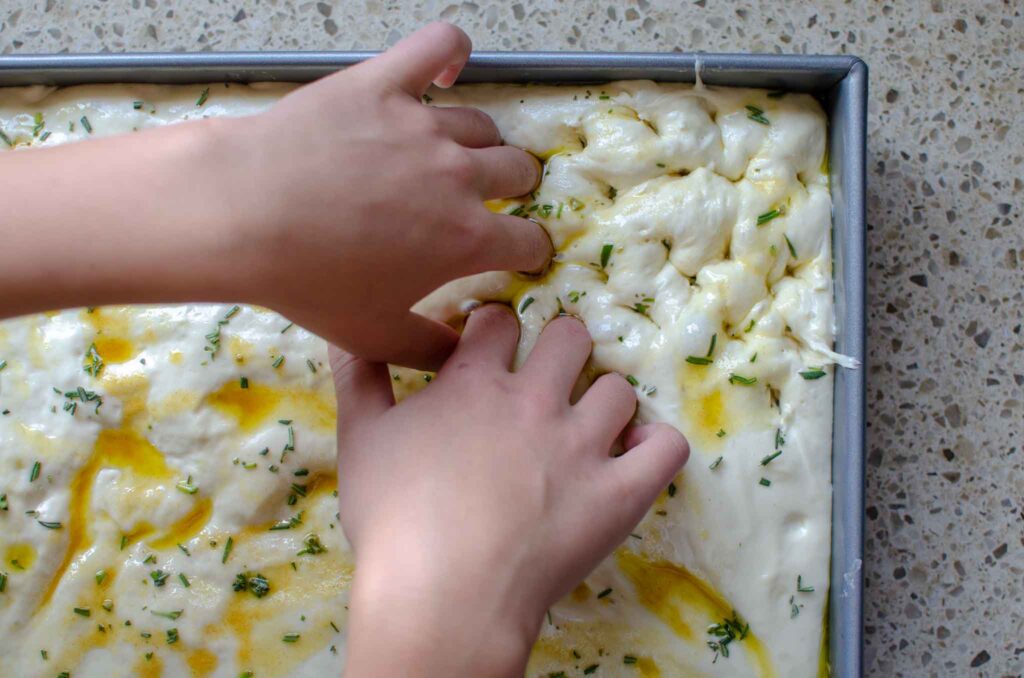
- Bread recipes – Easy discard bread, Irish soda bread, discard focaccia bread, beer bread, banana bread, zucchini bread, and cinnamon sugar quick bread.
- Breakfast recipes – Lemon blueberry scones, pumpkin scones, lemon poppy seed scones, pancakes, biscuits, blueberry muffins, and chocolate chip muffins.
- Discard Sourdough Recipes not Bread – Bechamel sauce, granola, and mac and cheese.
- Dessert recipes – Brown butter chocolate chip cookies, brownies, brookies, and gingerbread coffee cake.
Helpful Tips for Sourdough Discard
- Use discard that’s been fed within the last week for a sweet, lightly tangy flavor.
- 100% hydration makes it simple to incorporate sourdough discard into your favorite recipes. Made of equal parts flour and water, easily calculate these amounts in your recipe.
- If you keep a small sourdough starter, you might not have discard for discard recipes. You will have to make some intentionally. When it comes time to feed your starter, add enough flour and water so you have a surplus.
FAQs About Sourdough Discard
Can you make sourdough bread using sourdough discard?
Yes! Making sourdough discard bread relies on commercial yeast for its leavening power since discard is not as strong as an active starter. Without additional yeast, making sourdough discard bread is unpredictable with varied results.
To make the best use of your efforts, either use an active starter that’s been fed recently or commercial yeast when baking sourdough bread.
I accidentally used up all of my sourdough starter, but I have discard. Can I save it?
Yes. Remember, discard means an unfed starter. Take a small portion of the discard and feed it in the same way as a sourdough starter. After a few rounds of feedings, you will see evidence of a strong, healthy sourdough starter: plenty of bubbles, a sweet, yeasty scent, and it rising and falling consistently.
How long this takes largely depends on how old the discard is. Older discard will take longer than young discard to become an active sourdough starter.
I have extra levain. Can I add it to my discard jar?
Yes. Usually, when a recipe calls for a levain, all of it is used in the recipe without any extra leftover.
You can add leftover levain to a discard jar is its made of only flour and water, like most levains are.
If the levain has other ingredients, like sugar, salt, or milk, I suggest keeping it separate from the rest of the discard. When it comes time to use it in a discard recipe, you need to factor in these additional ingredients. After all, baking is a science with each ingredient playing an important role.
Do I need to stir my sourdough discard before using it?
No, you don’t need to, but you can if you want.
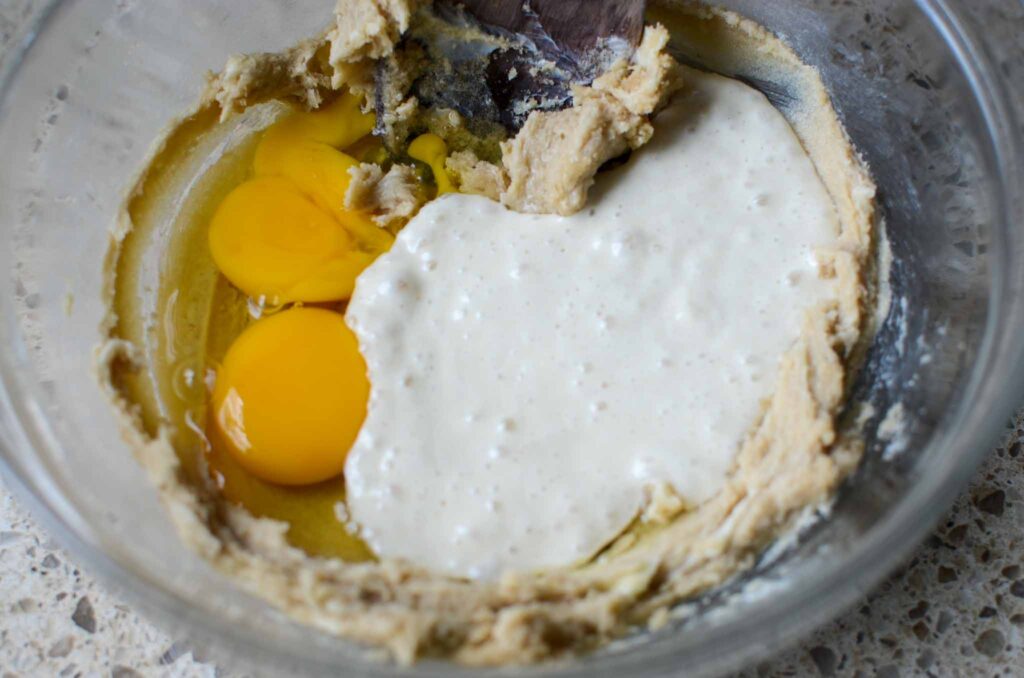
If my discard is pourable, I add it right into my recipe. If the discard is thick, I blend it with the other wet ingredients using an immersion blender to break it up before adding it to the recipe. If large clumps of discard remain in the dough, they’ll be the same in the final bake.
If the starter has a layer of hooch and you plan to leave it, I suggest stirring it in before adding it to your recipe.
Can I use sourdough discard straight from the refrigerator?
Yes, this is what I usually do. However, there are a few times when it makes sense to let it warm up before adding.
- If I need anything to leaven, like sourdough discard bread, I allow the discard to come to room temperature or add warm water to increase the temperature of the discard quickly.
- Some recipes specifically call for room-temperature ingredients to improve mixing.
If I don’t want to bake with excess discard, what should I do with it?
There are many options if you have too much sourdough discard. For us on the homestead, most food waste goes to our chickens or is composted. Other options are to give it away, freeze it, or throw it away. I usually spread mine out on a piece of parchment paper, let it dry, and keep it in a jar.
Is sourdough discard gut healthy?
Sourdough products are considered more nutritious than baked goods using commercial yeast alone. Given time to ferment, the acids in the starter begin to break down the phytic acid and release minerals so we can absorb them.
Though sourdough starter, discard, and doughs are probiotic-rich in their raw state, these bacteria don’t survive the baking process. It’s not safe to consume them in their raw state either.
What is the difference between sourdough discard and sourdough starter?
Once a sourdough starter has gone through its fermentation cycle, it needs to be fed flour and water to start the cycle again. Before this feeding, a portion of the starter is removed, the discard, leaving behind a manageable volume of starter to feed. The discarded portion is full of beneficial bacteria and a minimal amount of yeast. Add this to recipes for flavor, texture, or moisture, but not as a rising agent.
The portion of starter that’s fed and actively fermenting is the sourdough starter, called active sourdough starter, mature starter, or peak starter. The feeding process wakes the yeast and multiplies its numbers. It’s at this point that it can leaven breads and other doughs.
Some sourdough recipes call for a levain instead of an active sourdough starter. The levain is an offshoot of your starter, with the starter acting more like a mother to inoculate the levain with. Levains come in a wide variety, adjusting the type of flour you use, creating a sweet levain, or a large amount.
Can I eat sourdough discard raw?
Discard contains raw flour and is not considered safe to eat without cooking.
Is sourdough gluten-free?
While the fermenting process does break down some of the gluten, it doesn’t eliminate it completely. For sourdough to be gluten-free, you need to create a gluten-free starter and use it in a gluten-free bread recipe.

I’d love to hear from you! If you found this Sourdough Discard Guide helpful, I would love it if you gave it 5 stars! Happy Baking!
I love creating this resources, they are the sort of thing I craved when I was just starting! Have questions? Leave them in the comments below!