
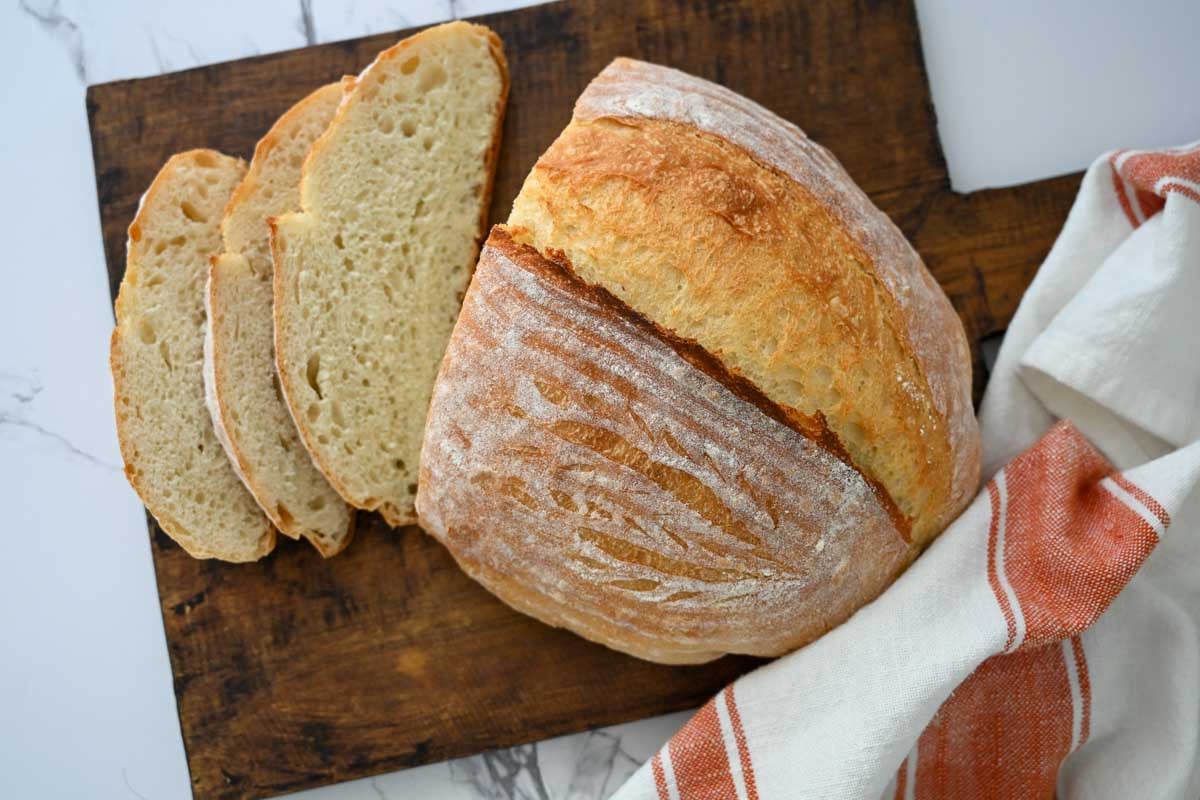
Easy Sourdough Discard Bread
Are you ready for the easiest sourdough bread recipe you’ll ever make? This simple sourdough discard bread is the perfect way to use up your extra starter without any waste. Enjoy artisan bread in under 3 hours by using these easy step-by-step instructions.

Save This For Later!
We’ll email this post to you so it doesn’t get lost in your open tabs!
By submitting this form, you consent to receive emails from Lockrem Homestead
New to Sourdough?
If you’re new to sourdough baking, these beginner-friendly guides will help you get started with confidence. Learn how to make a Sourdough Starter from Scratch, feed and maintain it with the Complete Sourdough Starter Guide, and bake your first loaf with this Easy Sourdough Bread Recipe. Together, these guides create a solid foundation for your sourdough journey.
Sourdough breads rely on fermentation for leavening rather than commercial yeast. Given enough time, the wild yeast and bacteria in the active sourdough starter cause the bread to rise and make it easier to digest. Plus, it’s delicious! But don’t limit it to just bread. Use a sourdough starter to make English muffins, bagels, and soft pretzels.
The typical sourdough extended timeline requires a bit of forethought and planning amid busy schedules. So how do you have great bread with tight schedules?
After baking homemade bread and juggling homeschooling, gardening, driving kids to dance, gymnastics, and youth group, and cooking from scratch for more than a decade, I can tell you it’s completely doable!
My easy no-knead sourdough bread makes it easy to have the benefits of long fermentation with little hands-on time. The other option is this easy sourdough discard bread with yeast. Adding a touch of commercial yeast reduces the overall prep time.
Sourdough Discard
Sourdough discard is a by-product of your sourdough starter, so don’t throw it away! Instead, use it in delicious Sourdough Discard Recipes where it adds moisture and amazing sourdough flavor. I use 100% hydration sourdough discard in discard recipes.
Use older, more tangy discard in savory recipes like Easy Sourdough Discard Bread and younger, fresh discard in sweeter recipes like these Brown Butter Chocolate Chip Cookies.
What is Sourdough Discard?
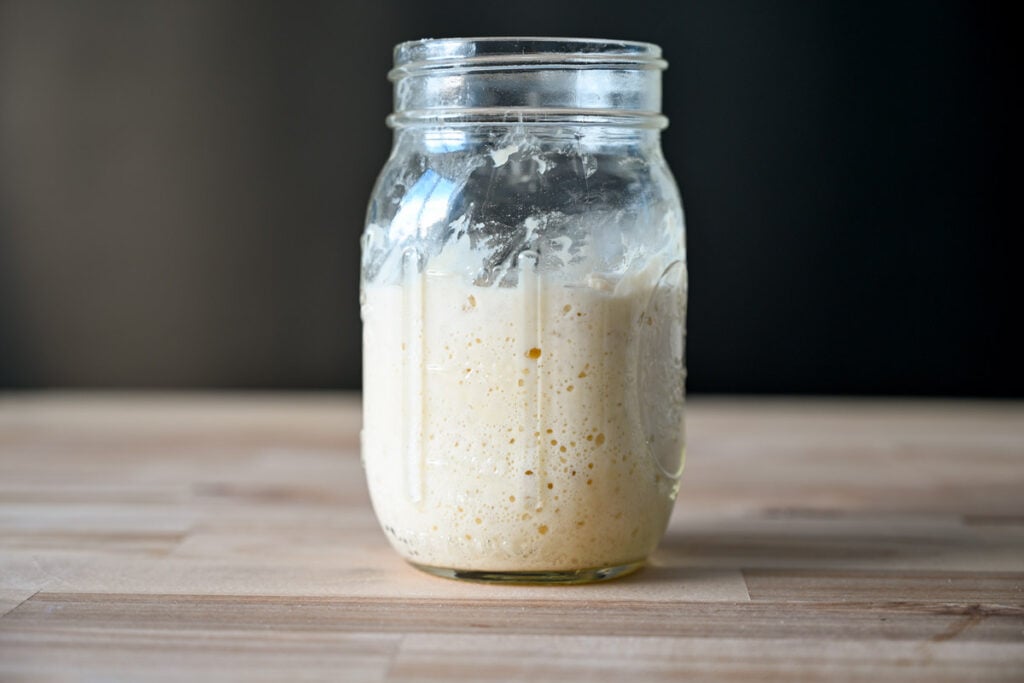
Sourdough starter discard is the portion of your sourdough starter that you remove before feeding it. Sometimes it’s referred to as unfed starter.
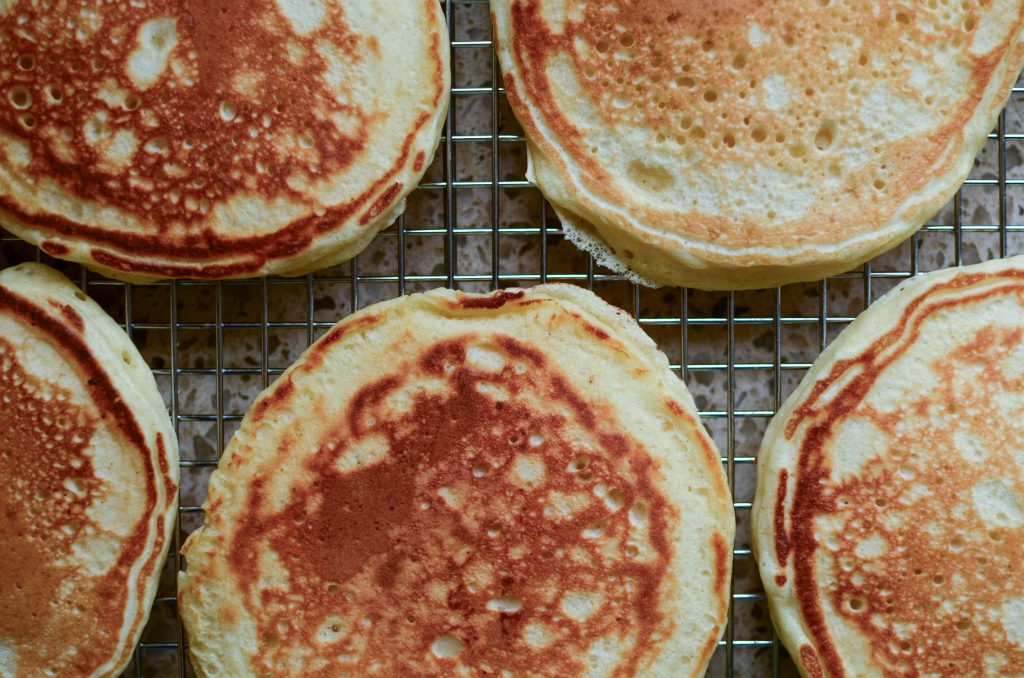
No need to throw away that precious discard anymore! Instead, use it in a variety of sourdough discard recipes and make delicious quick breads, pancakes, brownies, and more. Most sourdough discard recipes give you the option of baking immediately or fermenting before baking.
Adding unfed starter discard to doughs and batters imparts the iconic sourdough flavor. The more time since its last feeding, the more pronounced the sourdough tang will be in the discard. For best results, I like to use a starter that’s been fed within the past 2 weeks.
Why You’ll Love This Sourdough Discard Bread Recipe
- Easy – Enjoy homemade bread using 6 basic ingredients.
- Flavor – We all love the flavor of true sourdough bread. Adding discarded sourdough starter is a great way to give the sourdough tang without the extended prep time.
- Texture – Bread made using active yeast creates a soft crust, an ideal choice for delicious sandwiches when lunch time rolls around.
- Quick – This recipe is ideal for those with busy schedules. Enjoy fresh bread in a fraction of the time by adding a little commercial yeast to the dough instead of using an active starter.
Sourdough Discard Bread vs Sourdough Bread
There are a few differences between long-fermented sourdough bread and bread made using sourdough discard with yeast. With the addition of yeast, sourdough discard bread is made in a fraction of the time. This shortened process creates a thin, tender crust and light, airy texture. Ideal for sandwiches and is quick enough to bake in the early afternoon to go with dinner.
Whereas bread that undergoes a long fermentation process creates a thick, chewy crust, perfect to soak up dipping oil or top with pickled cherry tomatoes. In addition, all of that time creates a depth of flavor that the discard bread lacks.
Sourdough Discard Tip: I keep a jar in my fridge that I add sourdough discard to, so I always have some. Instead of throwing it out, it’s ready to use in sourdough discard recipes to add flavor and moisture. Older discard with an intense flavor is best in Sourdough Focaccia Bread, while fresher discard is best in sweet applications like Chocolate Chip Cookies or Pumpkin Scones.

Ingredients for Easy Sourdough Discard Bread
- Flour – Bread flour has a higher protein content compared to all-purpose flour, giving the final sourdough discard loaf great texture and chew.
- Water – Use warm water to activate the yeast. If it’s too hot, it’ll kill the yeast.
- Yeast – I like to use active dry yeast since I can test if it still works by activating it. Want to save a few minutes? Use instant yeast and skip the initial step by adding everything together in a large bowl.
- Salt – Flavors the bread and helps gluten development.
- Sugar – A bit of sugar feeds the yeast. Substitute cane sugar, honey, or maple syrup.
- Sourdough Discard – This recipe specifically uses unfed starter discard. The longer the time between feedings, the more pronounced the sourdough tang. For best results, I like to use a starter that’s been fed within the past 2 weeks.
Equipment to Make Sourdough Bread
- Bowl
- Kitchen scale – A vital tool for measuring sourdough bread dough ingredients. They’re not expensive and will help ensure accurate, consistent measurements.
- Danish dough whisk – I like how a Danish dough whisk cuts through the dough to incorporate the ingredients. A great tool if you plan to bake sourdough bread regularly.
- Lame – A special scoring tool that holds a sharp razor. You can also use a sharp knife, but a lame makes it easy for small, intricate scoring.
- 9″ Banneton basket – A banneton is a proofing basket that provides support for the bread dough as it proofs. Dust with a little bit of rice flour to prevent the dough from sticking.
- Parchment paper or a dough sling.
- 7 qt Dutch oven or larger – Using a Dutch oven is the best way for home bakers to create an artisan loaf of bread with a beautiful crust. The enclosed baking environment traps steam, allowing the crust to stay moist and expand.
- Digital thermometer – Use to read the bread’s internal temperature to know when the bread is done baking. Great for beginner bakers as they improve their bread-baking skills.
- Cooling rack
How to Make Easy Sourdough Discard Bread Overview
Mix the Dough
Add the warm water, sugar, and yeast to a large bowl and stir to combine. Rest for 10 minutes to let the yeast bloom.
Add the sourdough unfed starter, salt, and bread flour to the mixture and combine until it becomes a shaggy dough.


Knead the Dough


The gluten develops with time and a series of stretch and folds. Grab the edge of the dough and lift it straight up before folding over itself into the middle of the dough. Rotate the bowl a quarter of a turn and repeat. Knead the dough for 3-4 minutes.
Cover the bowl with a towel and rest for 15 minutes before performing another set of stretch and folds.
The dough will transform from a shaggy dough to a smooth and elastic dough by the end of the stretch and folds.
The exact rise time is largely driven by temperature. A cooler kitchen will slow the yeast activity and increase the rise time compared to a warmer kitchen. This bread recipe is made in a 72°F/22°C kitchen.
First Rise
Cover the bowl with a damp towel and let the dough rise for an hour.


The exact amount of time the bread dough takes to bulk ferment largely depends on the temperature of your kitchen. Warm air temperature will ferment the dough faster than in a cool kitchen.
Shape
Dust the banneton with a bit of rice flour.
Turn the dough out onto a lightly floured surface and shape the dough into a ball. Fold the top and bottom of the dough to the middle.


Turn the dough a quarter of a turn, and roll into a ball and pinch the ends together.


Second Rise
Place the dough into the banneton, cover, and proof for 30-45 minutes, or until the dough is light and airy. While the dough proofs, preheat the Dutch oven to 425°F/218°C for 30 minutes.


What if You Don’t Have a Banneton?
While its nice to have, you don’t need a fancy proofing basket to bake good bread. After the dough is shaped, place the dough onto a piece of parchment paper with the seam side down. Then, using the parchment paper as handles, lift the dough back into the bowl. Cover the bowl and refrigerate.
Bake
Gently turn out the dough onto a piece of parchment paper and score the top with a bread lame.
Lift the bread into the hot Dutch oven and bake for 25 minutes. Remove the lid and bake for an additional 5 minutes.
Move the bread to a cooling rack. Wait until the bread is completely cool before slicing.


Store
Allow the bread to cool completely before placing it in an airtight container. Store at room temperature for up to 3 days.
To freeze the bread, allow it to cool completely before wrapping it tightly in plastic wrap. Place the bread into an airtight ziplock bag and label it with the date and name before placing it into the freezer. To make it easy to pull out a slice at a time, slice the bread before freezing. For the best flavor, enjoy it within 3 months.
Tips for Success
- Test the Yeast – By letting the yeast bloom before adding the rest of the dry ingredients, you can test that the yeast is still active. Mix the yeast with warm water and a bit of sugar for food, and let it rest for 10 minutes. If it’s active, there will be a thick, foamy layer on the surface of the water.
- Dutch oven – traps in the steam and helps with oven spring, and creates a light crust.
- Freeze – I keep yeast in my freezer to extend its shelf life. Here, it’s lasted for years before I need to replace it.
Sourdough Discard Bread Sample Schedule
| 9:00 am | Combine the yeast, sugar, and water |
| 9:10 am | Incorporate the sourdough discard, salt, and flour with the other ingredients. Cover and rest for 15 minutes |
| 9:25 am – 9:40 am | Knead the dough. Perform 2 sets of stretch and folds 15 minutes apart |
| 9:55 am | First rise |
| 10:55 am | Shape the dough and place into a banneton |
| 11:00 am | Proof the dough and preheat the Dutch oven |
| 11:45 am | Bake the bread |
| 12:15 pm | Cool |
Discard Sourdough Bread FAQs
Do I Need to Use a Kitchen Scale?
I know that buying a kitchen scale seems like one more thing, however, measuring by weight instead of volume ensures consistent sourdough bread doughs. Investing in an inexpensive scale is a great idea if you plan to bake sourdough bread regularly.
Can I Make Sourdough Discard Bread with Inclusions?
Yes! Making sourdough discard with inclusions is a simple way to add a variety of flavor combinations to the bread. Enjoy sweet or savory! It’s best to add the inclusions to the dough when you’re mixing the ingredients so they’re evenly dispersed throughout. Some of my favorite inclusions are:
- Rosemary, olive, and parmesan
- Cranberry and walnuts
- Cinnamon raisin
- Cheddar and jalapenos
Be sure to pat dry wet ingredients, like olives, before adding to the dough.
Can You Use Sourdough Discard to Make Bread?
I get asked often what is sourdough discard bread, and how is it different than traditional sourdough bread. Adding sourdough discard to bread dough is a useful way of dealing with sourdough discard, but it doesn’t have the same leavening strength as an active starter. With its lower yeast count, sourdough bread with discard still needs a bit of commercial yeast for its leavening. The result? Homemade bread fresh from the oven, but made in a fraction of the time.
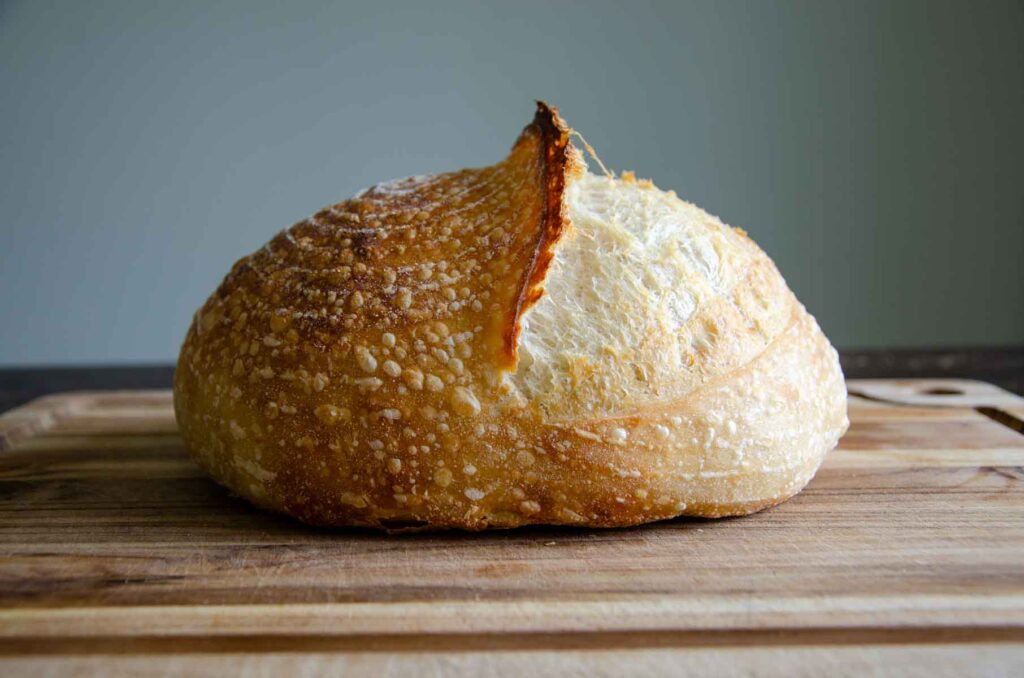
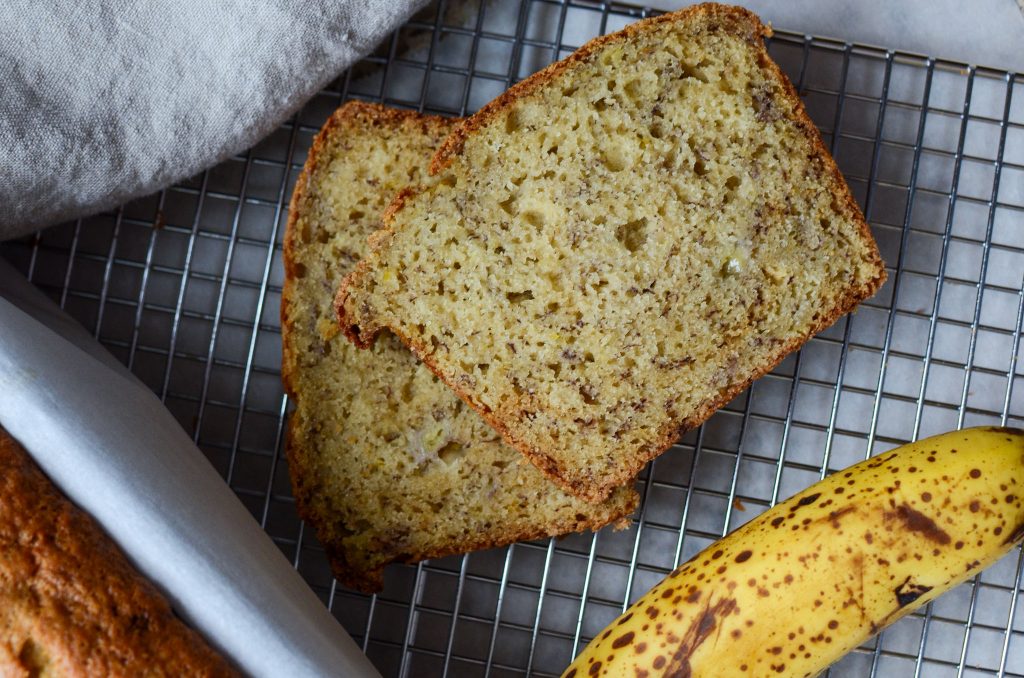

I’d love to hear from you! If you made this Easy Sourdough Discard Bread recipe and loved it, I would love it if you gave it 5 stars! Happy Baking!

Easy Sourdough Discard Bread
Want to Save This Recipe?
Enter your email & I’ll send it to your inbox. Plus, get great new recipes from me every week!
By submitting this form, you consent to receive emails from Lockrem Homestead
Equipment
- 1 large bowl
- digital scale
- 1 Danish dough whisk
- bread lame
- parchment paper or dough sling
- bench scraper
- 9" banneton basket
Ingredients
- 7 g dry active yeast 2¼ tsp
- 15 g sugar 1 T
- 235 g warm water 1 cup
- 125 g sourdough discard ½ cup
- 10 g salt 1½ tsp
- 375 g bread flour 3 cups
Instructions
Mix the dough
- Add the warm water, sugar, and yeast to a large bowl and stir to combine. Rest for 10 minutes to let the yeast bloom.
- Add the sourdough unfed starter, salt, and bread flour to the mixture. Use a Danish dough whisk or a wooden spoon to fully combine the ingredients until it becomes a shaggy dough. Scrape the sides of the bowl as needed to work in all of the flour. Cover the bowl and rest for 15 minutes.
Knead
- Use your hands and knead the dough in the bowl for 2-3 minutes. I like to use the stretch and fold method. Stretch the dough straight up before folding it over onto itself into the middle of the bowl. Rotate the bowl a quarter of a turn and continue with more stretch and folds until the dough becomes resistant, roughly 12-15 stretch and folds.
- Cover the bowl with a towel and rest for 15 minutes.
- Remove the towel and do another set of stretch and folds until the dough becomes resistant. After the last of the folds, gather the dough into a ball.
First Rise
- Cover the bowl with a towel and place it in a warm place for 1 hour. Let the dough rise until it's doubled in size.
Shape
- Dust the banneton with a bit of rice flour.
- Turn the dough out onto a lightly floured surface and shape the dough into a ball.
- Fold the top half of the dough down to the middle. Next, fold the bottom half up to the middle. Turn the dough a quarter of a turn, then roll it from one end. Pinch the ends together.
Second Rise
- Use a bench scraper and lift the shaped dough into the banneton. Cover the banneton and let it proof for 30-45 minutes, or until it becomes light and airy.
- While the dough proofs, preheat the Dutch oven to 425°F/218°C.
Bake
- Gently turn out the proofed sourdough bread dough onto a piece of parchment paper. Score the top of the dough with a bread lame or sharp knife.
- Lift the bread, using the parchment paper as handles, into the hot Dutch oven. Replace the lid and bake for 25 minutes. Remove the lid and bake for an additional 5 minutes. The bread is done when the top is golden brown, and the internal temperature is 200°F/94°C.
- Place the bread onto a cooling rack. Wait to slice the bread until it’s completely cool for the best texture.
Store
- Allow the bread to cool completely before placing it in an airtight container. Store at room temperature for up to 3 days.
- To freeze, wrap cool bread tightly in plastic wrap. Place bread into an airtight ziplock bag, label with the date and name, and place into the freezer. To make it easy to pull out a slice at a time, slice the bread before freezing. For the best flavor, use within 3 months.
Notes
Tips
- Test the Yeast – By letting the yeast bloom before adding the rest of the dry ingredients, you can test that the yeast is still active. Mix the yeast with warm water and a bit of sugar for food, and let it rest for 10 minutes. If it’s active, there will be a thick, foamy layer on the surface of the water.
- Dutch oven – traps in the steam and helps with oven spring, and creates a light crust.
- Freeze – I keep yeast in my freezer to extend its shelf life. Here, it’s lasted for years before I need to replace it.
There is nothing better than the smell of fresh baked bread! A great recipe if you are just starting. I hope you enjoy it for years to come!