

How to Adjust the Sour Flavor in Sourdough Bread
Learn how to adjust the sour flavor in sourdough bread. Whether you enjoy a full-bodied sourdough flavor or a mild tangy sourdough flavor, this guide teaches how to adjust different aspects of the sourdough process to yield the flavor you enjoy.

The World of Sourdough Bread
I remember hearing about sourdough as a child and thought that it sounded gross. I mean, who would want sour bread? Fast forward 30 years to discover that sourdough bread is not sour bread, but rather, a method of leavening bread that’s been around for quite a long time.
Classic sourdough bread is known for many things: long fermenting times, a healthier bread, a chewy texture, and a unique depth of flavor. But the one that stands up above all of these is the classic sourdough sour flavor.
Sourdough breads range from mild and sweet with little to no sour flavor, to an intense, tangy, vinegar-like flavor, and everything in between. When it comes to this sour flavor, everyone has their own personal preferences.
I’ve been eating homemade sourdough bread for so many years now that I don’t even notice the tangy flavor anymore, unless it’s an extra sour sourdough bread.
Did you know that, as the baker, you have some control over how sour your sourdough bread tastes? It’s true! And it’s not as complicated as you think.
If you love the sour flavor, you can learn how to increase the sourness of your sourdough bread. With a few simple adjustments and the knowledge of why sourdough becomes sour, you will be able to adjust your bread to have more sour flavor or less.
The Science Behind Sourdough’s Sour Flavor
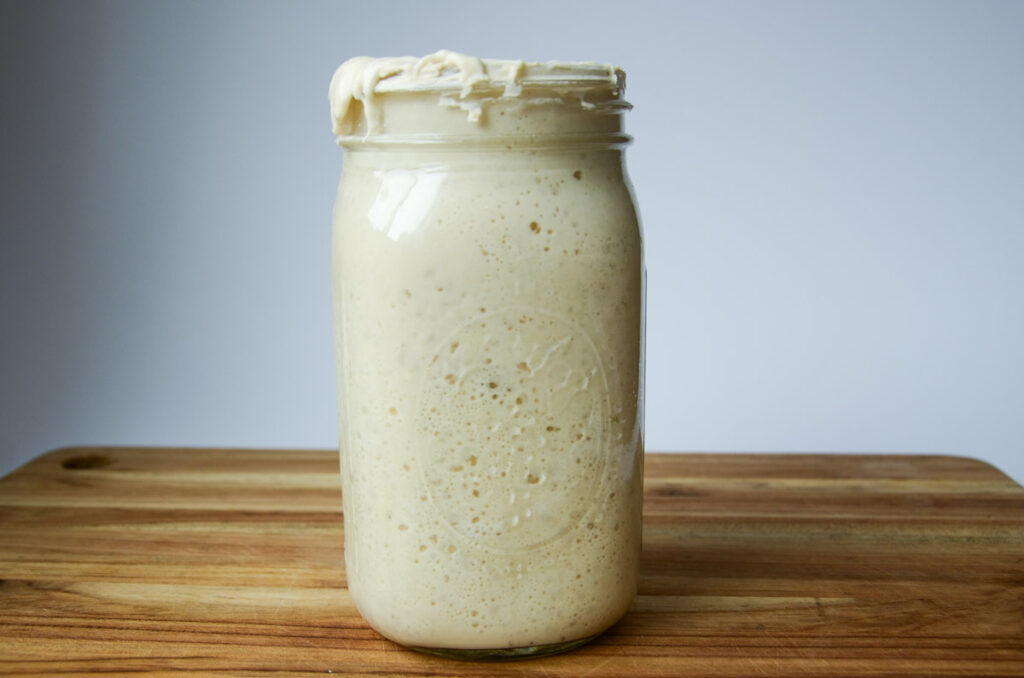
Sourdough is a process that utilizes a mother culture, known as a sourdough starter, to inoculate flour and water with wild yeast and bacteria that produce acetic acid and lactic acid. Given time and the right environment, the bread dough proofs until it’s light and filled with pockets of air, ready to bake.
So, where does the sour taste come from in sourdough bread?
The wild yeast begins to consume the sugars present in the starch of the flour, converting them into carbon dioxide, ethanol, and acids. The carbon dioxide makes the bread rise, while the acids give the sourdough its distinct flavor. The longer the bacteria go without food, the more acidic the dough becomes.

Eventually, when the lactic acid bacteria have consumed all of the food supply in the flour, the yeast activity drops, but the bacteria continue to eat. This increases the acid production and can be what causes bread to have a sour taste.
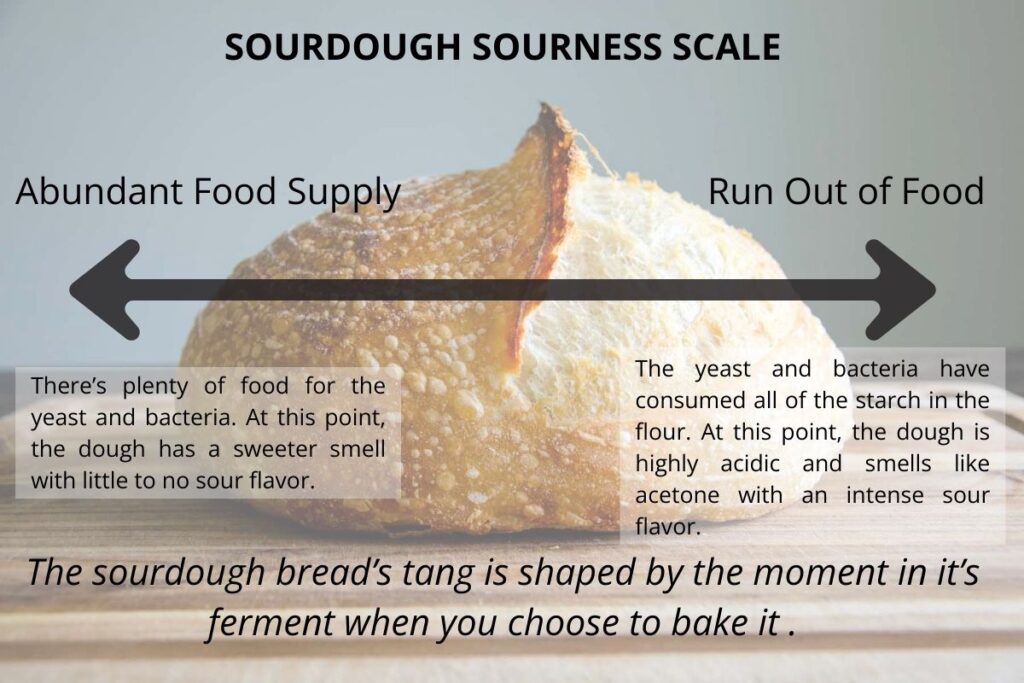
Just like any other ferment, sourdough has a spectrum. At one end, there’s an abundant food supply, and the dough is sweeter with little to no acidic flavor. As the bacteria and yeast consume the sugars and the acid levels grow, the dough gradually shifts to the other end of the spectrum, where there’s little sweetness, and it’s high in acidic flavor.
The more time passes and the longer the sourdough bread dough ferments, the further it slides to this end of the spectrum.
How to Make Sourdough More Sour
Learn how to get more sour flavor in sourdough bread. Understanding how a few key factors influence sourdough and fermentation allows you the freedom to experiment to increase the sourness levels in homemade sourdough bread. With a bit of trial and error and plenty of practice, you will hone your sourdough bread until it tastes exactly the way you like.
Fermentation Time
The longer the bread dough ferments, the more time bacteria have to eat the starches and sugars in the flour. As this happens, the dough loses the sweet undertones while the sourness increases. Whether the dough ferments at room temperature or in the refrigerator, extended fermentation develops a more complex flavor.
Use Less Sourdough Starter
Using a lower ratio of sourdough starter in a simple sourdough bread recipe slows the fermentation process, giving the acids more time to produce acid, and results in tangy loaves.
Cold Bulk Fermentation (Sometimes called Cold Retarding) or Cold Proof
The cooler temperatures extend the proofing time or bulk fermentation process. This allows the acetic bacteria a chance to digest the starches while slowing down the yeast’s activity. I’ve found that this is the easiest way to develop the sour taste in a loaf of sourdough bread.
The difference between cold bulk fermentation and cold retarding is in the timing of when it goes to the fridge.
For cold bulk fermentation, first let the dough rise at a warmer temperature before moving it into the refrigerator. Here it will continue to ferment, just at a slower pace. I like to do this step overnight. The cold ferment is an ideal option for doughs that need to be shaped before proofing, like rolls or bagels. Enriched doughs often benefit from a cold ferment to make the soft dough easier to handle.
To cold-proof the dough, allow the dough to complete its bulk ferment, shape, then place it into a banneton and into the fridge. This is ideal for boules (round) or batards (oval) loaves that bake in a Dutch oven. I will often do this step overnight and bake the bread in the morning.
Generally, I cold-proof my dough overnight for 8 to 10 hours. But I’ve left my dough in the refrigerator for up to 48 hours, for a more sour sourdough flavor. Anything beyond that time begins to weaken the gluten and results in less oven spring and a flatter bread loaf.
Whole Grains
Whole wheat flour contains higher enzyme levels than white flour, which increases the nutrients available to feed the bacteria. Among the whole grain flours, rye flour is especially effective because it provides the sugars that encourage acetic acid production. This is the acid responsible for the sharp, tangy flavors in sourdough bread. I like to add a small portion of whole wheat flour to the sourdough bread I bake weekly for my family. Not only does it add more fiber, but it adds a nutty, sourdough flavor.

How to Make Sourdough Less Sour
Fermentation Time
Just like extending the fermentation time produces a more sour bread, reducing the fermentation time yields a less sour flavor in the loaf of bread. With less fermenting time, more sugars remain in the sourdough dough, which lends to a sweeter flavor.
Flour
Using the right type of flour reduces the sourness of your bread. Highly refined white flour, like all-purpose flour and bread flour, has the bran and germ removed, causing less enzyme activity compared to wholegrain flour. Without the abundance of nutrition, the lactic acid thrives and produces a milder, tangy, yogurt-like flavor.
Regular Feedings
Feeding the sourdough starter on a regular feeding schedule not only creates a strong, vigorous starter, but it also lowers the overall acid level, giving the yeast a healthy place to thrive. For the best results, be sure to use a mature starter before adjusting the feeding schedule and flavor of your sourdough starter.
Using More Sourdough Starter
Adding more sourdough starter to an easy sourdough bread recipe increases the yeast present in the sourdough bread dough. With more microbial activity, the dough ferments faster, shortening the bulk fermentation time. Because many of the complex flavors develop slowly, the shorter fermentation time produces a more mild flavor profile in the final bread.
Adding more sourdough starter to a simple sourdough bread recipe increases both the yeast and bacteria present in the dough. With more microbial activity, the dough ferments faster, shortening the bulk fermentation time. Because many of the complex organic acids and flavor compounds develop more slowly, a shorter fermentation generally leads to a milder, less tangy flavor in the final bread.
Warmer Temperature
The warmer temperature accelerates the fermentation process, favoring the lactic acid bacteria, which produce a milder yogurt-like flavor. Because the overall process is finished much quicker, the dough has less opportunity to develop the depth of flavor. The result is a mild-flavored sourdough bread.
I notice the greatest overall change from baking sourdough bread in the cold winter months compared to the warm, humid summer months. Even though we have air conditioning in the summer, the ambient temperature is much warmer in the summer compared to the chill in the air during the depths of winter. If you live somewhere with changing seasons, do you notice this change too? If so, how does it affect your sourdough bread flavors?

FAQs
Why does my soudough bread taste too sour?
Allowing the sourdough bread dough to ferment for a long period of time will create a pronounced sour flavor. To adjust sourdough flavor and reduce sourdough sourness, do the things that shorten the overall fermentation time. Keeping a strong, healthy starter that’s fed regularly will increase the yeast while keeping the acids lower. Other things, like using white flour and increasing the amount of sourdough starter in the recipe, contribute to a faster ferment.
I suggest taking good notes for each sourdough bread recipe. Note the temperature, the ratios in the sourdough starter with its feeding schedule, and the type of flour you use. Change one variable at a time until your bread turns out the way you like.
I keep a 3-ring binder with all of my recipes and the various notes I take during each bake. There are new nuances to record with every bake. This is one area I’ve really grown in since my younger baking days.
how can I increase the sour flavor in my homemade sourdough bread?
You can increase the sour flavor in homemade sourdough bread by lengthening fermentation time, which gives the bacteria more time to produce acids. Using less starter as well as cooling the dough slows the yeast, which further extends the fermentation and boosts the sourness. Using whole grains, especially rye, provides more enzymes and sugars to encourage stronger acidic flavors in sourdough bread.
Final Thoughts on How to Adjust the Sour Flavor in Sourdough Bread
Understanding the science behind how sourdough works helps you to have more control over the sourness of sourdough bread. Key factors like choosing the right flour, the amount of active starter to add to the dough, and the temperature all play a part in producing a less or more sour flavor in the final dough.
Which do you like best? A mild flavor, or sour tang? Share your thoughts, comments, and questions below!