
Bread Flour vs All Purpose Flour | What’s the Difference?
A comprehensive guide to understand the difference between bread flour vs all-purpose flour. Learn what is different between the two, their best applications, and whether you can substitute one for the other.

Have you come across a recipe calling for bread flour, but all you have is all-purpose flour in your cupboard? Me too! In the early days of my baking journey, I’d just moved forward with what I had, crossed my fingers, and hoped for the best.
Don’t mention trying to buy the right type of flour. Good Golly, I’ve been there too! Feeling puzzled and confused like a deer in headlights, standing in front of a long line of flour. Gluten-free flours, self-rising flour, bleached or unbleached flours, whole wheat flour, white flour, cake flour, and bread flour.
It’s exhausting just listing them. After all, does it matter which one you use?
With so many different types of flours, how do you know what to choose? To keep things simple, we are only going to focus on answering what is the difference between bread flour and all-purpose flour?
Many home bakers don’t need to know the nitty-gritty scientific details, just whether they can use the two interchangeably and when its ok to substitute them.

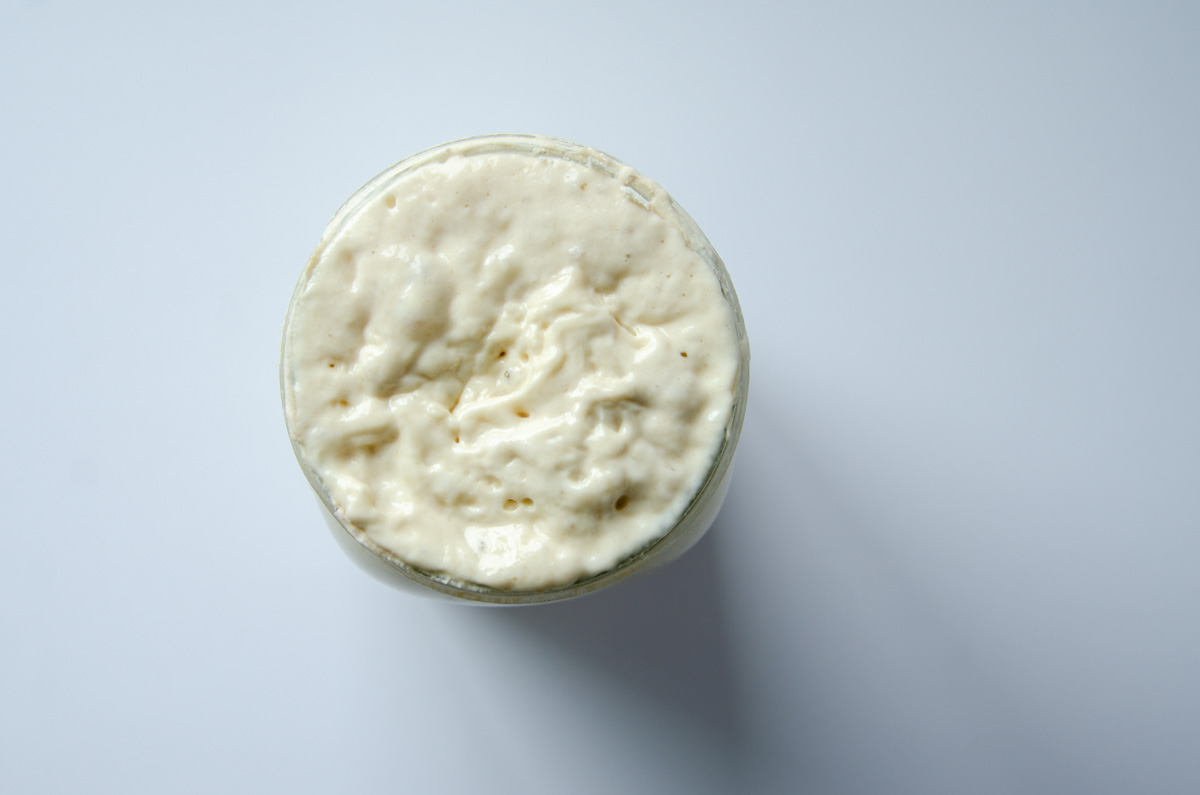
The All Purpose Flour vs Bread Flour
Let’s dive in! First, answering what is bread flour vs all-purpose flour largely comes down to its protein content. Bread flours contain between 12% to 14% protein. These high protein flours result in more gluten development, resulting in a slightly better structure in bread, and giving it more “chew”.
Whereas, all-purpose flour contains between 8% to 11% protein. Lower protein means lower gluten content, making it an ideal choice for pastries and pies. For context, low-protein flours, like pastry flour, contains 8%, and cake flour contains 10%. For the most part, you’ll find most brands of flour fall within this range.
So why does this matter? How does it apply to your baked goods?
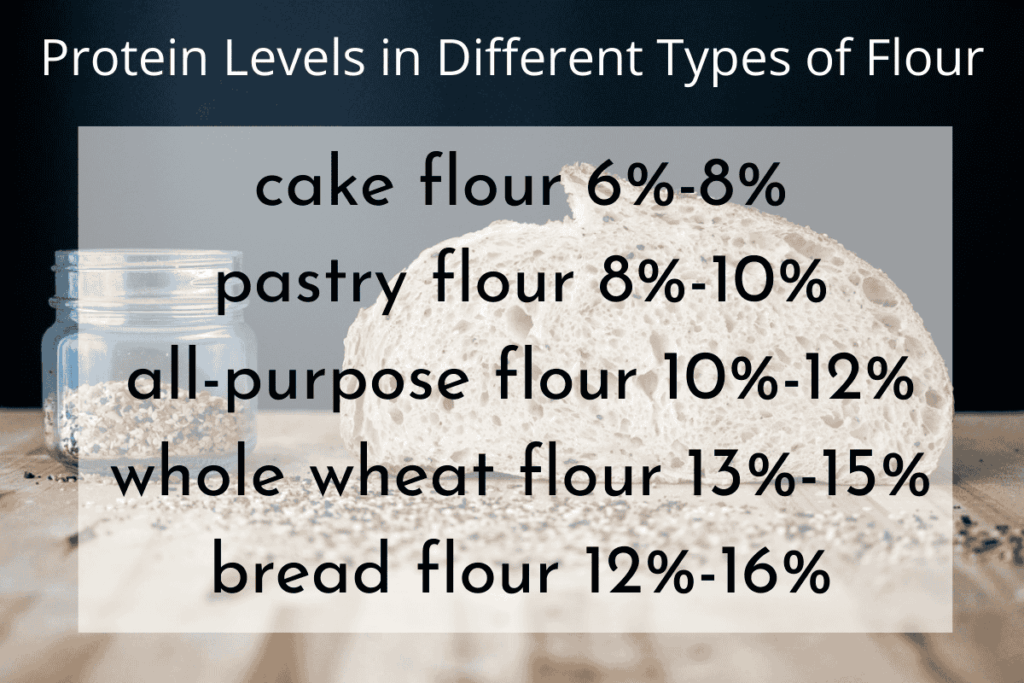
What’s Flour Protein, and Why Does it Matter?
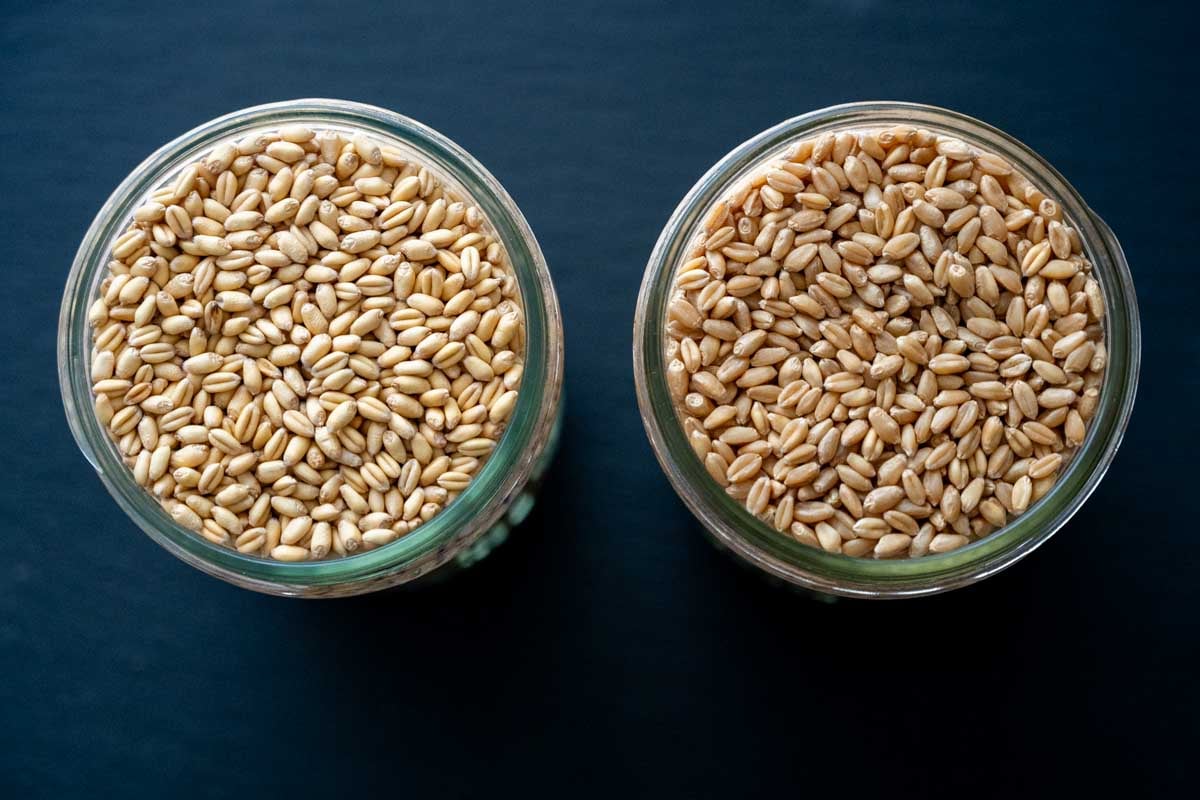
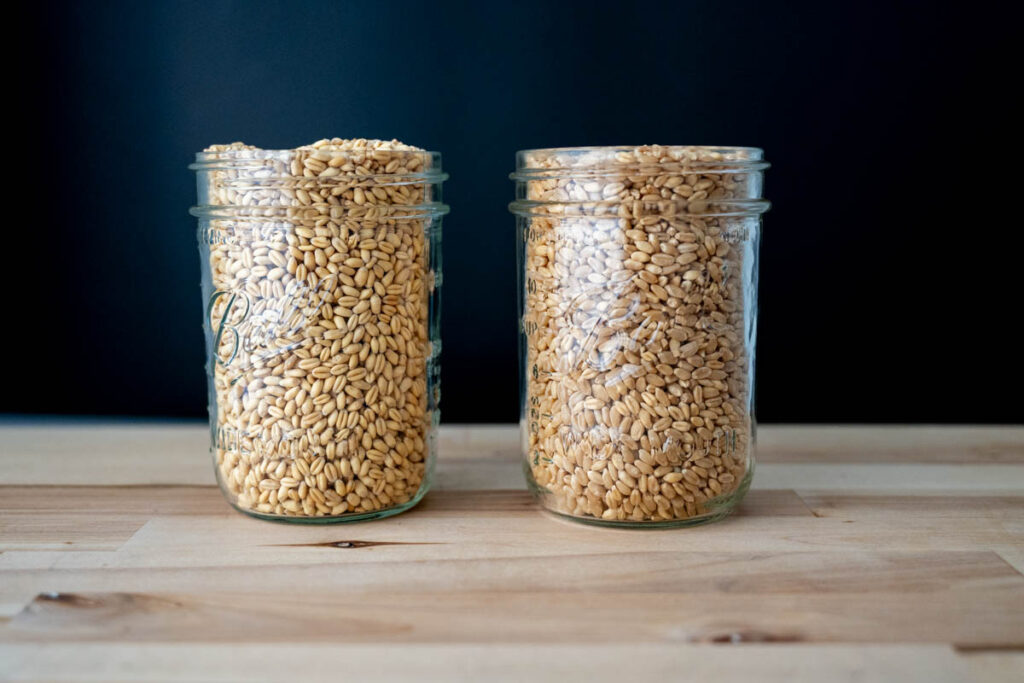
To better understand, we need to back up a bit and learn about how bread is made. All flour comes from wheat berries, and each berry variety contains varying levels of protein. The higher the protein, the stronger the flour.
Wheat flour contains two proteins, glutenin and gliadin. With the addition of water, these two proteins create a stretchy substance called gluten.
Under the right conditions and a rising agent (baking powder or soda, commercial yeast, or a sourdough starter), gluten can be worked and strengthened to a point that it becomes strong enough to hold air in the dough, creating an open structure. A worthy trait all bakers strive to achieve.
Since the protein in flour is what forms the gluten, more available protein means more gluten. (with a few exceptions) And more gluten development results in a stronger, stretchier bread dough. Bread flour is ideal for baguettes, artisan sourdough bread, and bagels, where height and a strong, chewy texture are ideal.
But a high protein content and a chewy texture aren’t ideal for every bake. Since we know higher protein yields more gluten, it’s easy to conclude the inverse is true. Flours with lower protein content yield a tender texture and delicate crumb. Think of pie crust and banana bread. Instead of structure and chew, the aim is tender, melt-in-your-mouth texture.
What is Bread Flour?
Bread flour and its high protein content is typically made from hard wheat varieties. This strong flour, with a 12% to 14% protein, is an excellent choice when you want a chewier texture, such as sourdough boules, pretzels, and anything else that needs structure and volume.
Most bread bakers prefer strong flour for better gluten development and, in most cases, a higher rise.
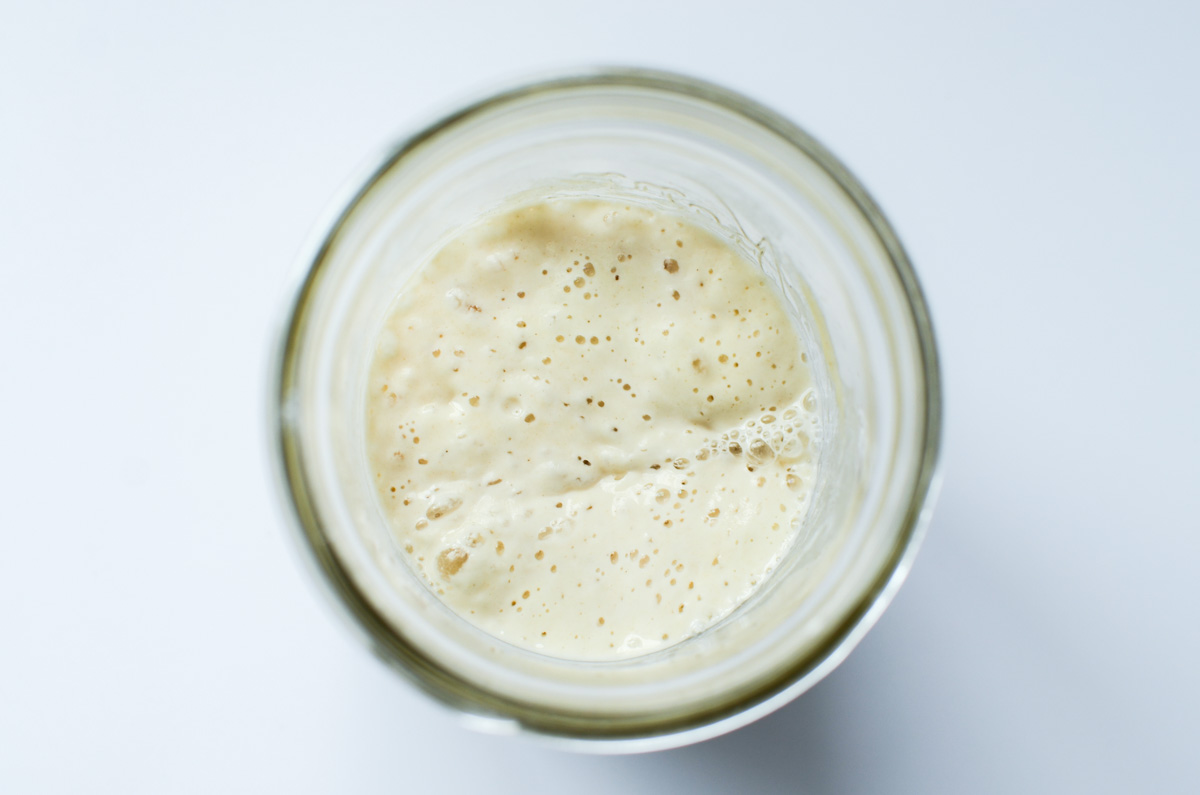
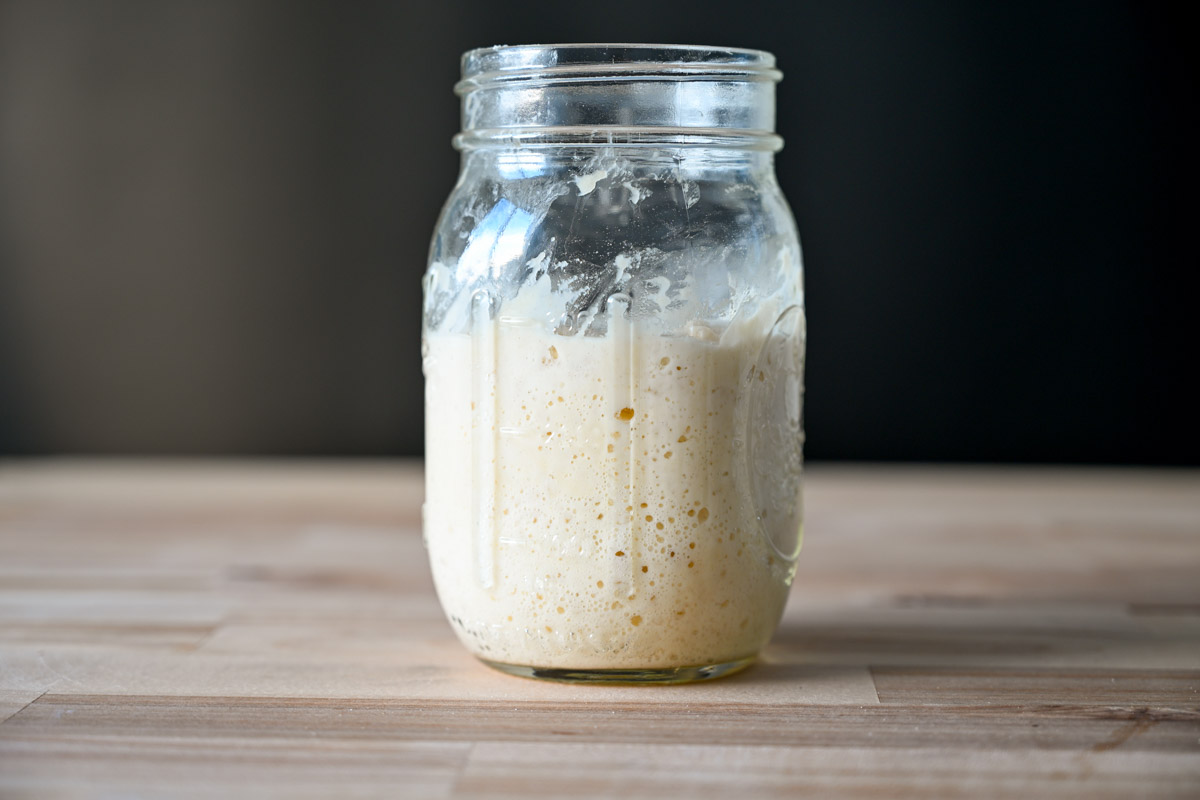
But that’s not all. Bread flour and its higher protein content mean it absorbs a greater amount of water than lower protein flours. Use in high hydration recipes like ciabatta and focaccia. If the dough feels dry, especially during the dry winter months, you may have to add more water to loosen the texture. The same goes for adjusting your sourdough starter texture.
What is All-Purpose Flour?
All-purpose flour is typically made from both hard and soft wheat berries. The hard wheat berries provide the structure, while the soft berries add lightness. This combination makes it a medium to low protein flour, with a protein content of 10% to 11.7%, depending on the brand.
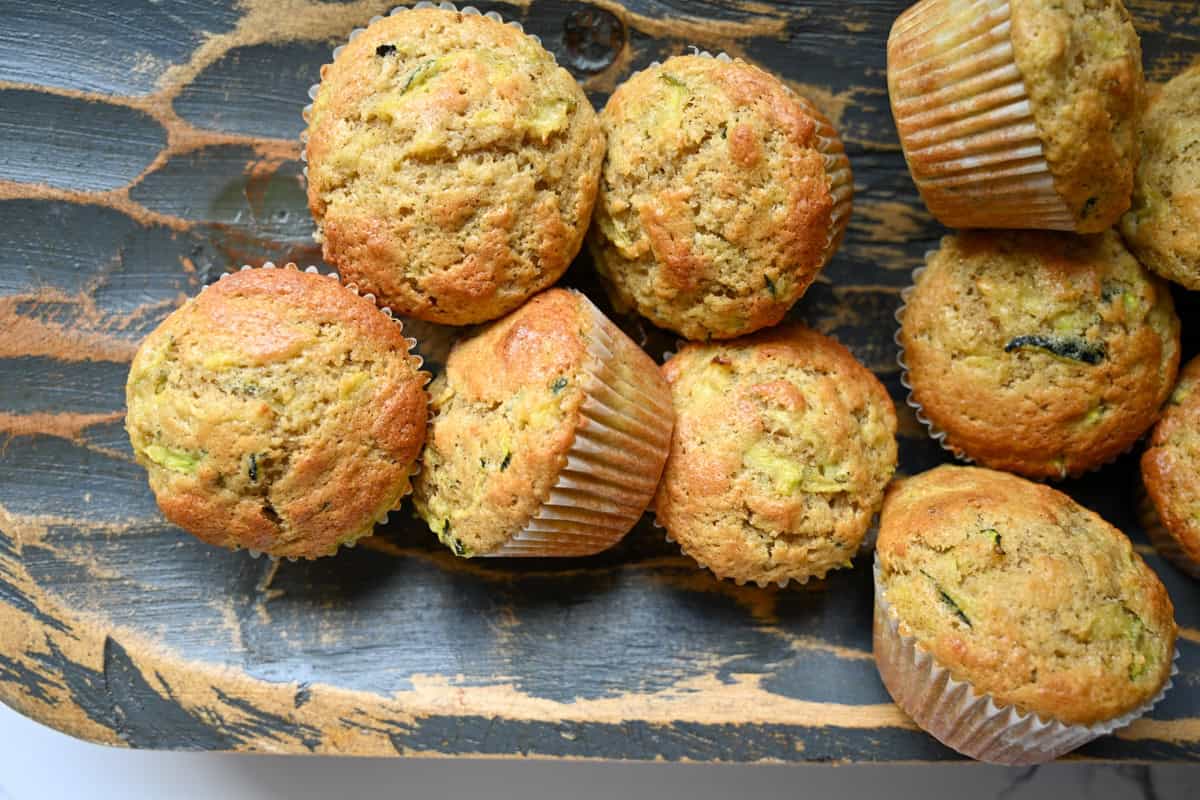
There’s a reason AP flour is widely available in grocery stores. It’s the most versatile and ideal for everyday bakes and the average home baker, and would be the one I’d choose if I could only buy one type of flour. It’s best for baked goods that do not need a high rise or a chewy texture, like muffins, cookies, and quick breads.
Here are 3 recipes that only use ap flour:
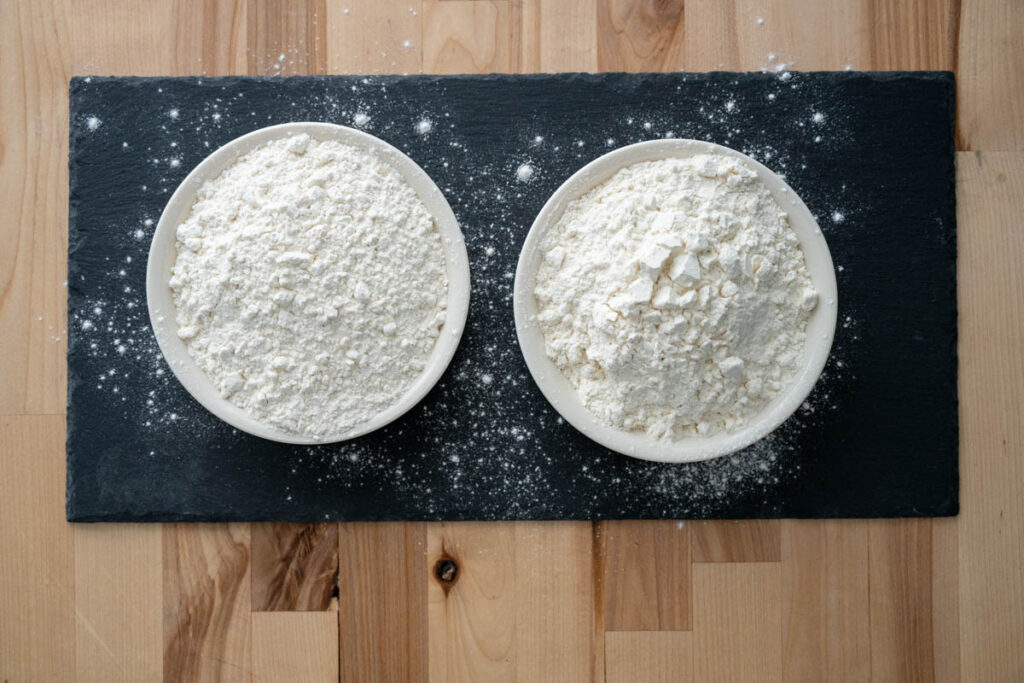
What Does this Mean for my Recipes?
If you find yourself at home with the wrong kind of flour, but don’t want to run to the store, what do you do?
Although different flours contain different levels of protein, you may also notice that the differences can be slight, sometimes varying only 1% from brand to brand. For example, Kirkland’s All Purpose flour has a 11.5% protein content, which is right on the line that separates the two. This means that for most home bakers, you can use the two interchangeably in most recipes.
Don’t limit baking bread to just bread flour. Professional bakers still use all-purpose flour in their bread recipes, just the right type of bread recipe. It can be great for Sourdough Irish Soda Bread, Sourdough Beer Bread, or other quick breads that use baking soda or powder instead of fermentation to leaven the dough. These breads shine with a denser texture.
If you have a recipe that calls for bread flour, but you only have all-purpose flour, don’t hesitate to bake it! Most cookie, brownie, or muffin recipes work with bread flour; just be sure not to overmix it to keep the gluten development as low as possible. Also, you may need to adjust the water content in the recipe. Remember, bread flour absorbs more water than all-purpose flour.
But Not All Recipes…
Notice how I said, most recipes. There are specific times when you will want to use the right type of flour and not mix the two. Bread flour isn’t ideal for baked goods with flaky or tender textures, like cake or pie crust. If all you have is bread flour, I suggest waiting until you have the right flour.
In addition, if you’re looking for a high-rising, open crumb bread with great chew, it’s worth waiting until you have a stronger flour. If you’re not willing to wait, temper your expectations, and know that what you made is different than the recipe; thus, your results will be different.
Can You Substitute Bread Flour for All Purpose in Sourdough?
Yes, but it’s not always an even swap. Each type of flour absorbs water at a different rate. As we mentioned before, bread flour absorbs more water than all-purpose flour, so if you use the same amount of water with all-purpose flour for a recipe that calls for bread flour, the dough will be too sticky. I typically reduce by 15g-30g.
With each bake you make, the more you learn. Be ok to experiment as you learn, too. I like to bake multiples of the same recipe at one time, changing one variable in each. This allows me to see how nuanced each change is. Want a softer pizza crust? Mix your pizza dough with all-purpose flour. Want a cookie with a bit of chew to it? Try swapping in bread flour.

What’s the Best Flour For Sourdough Bread?
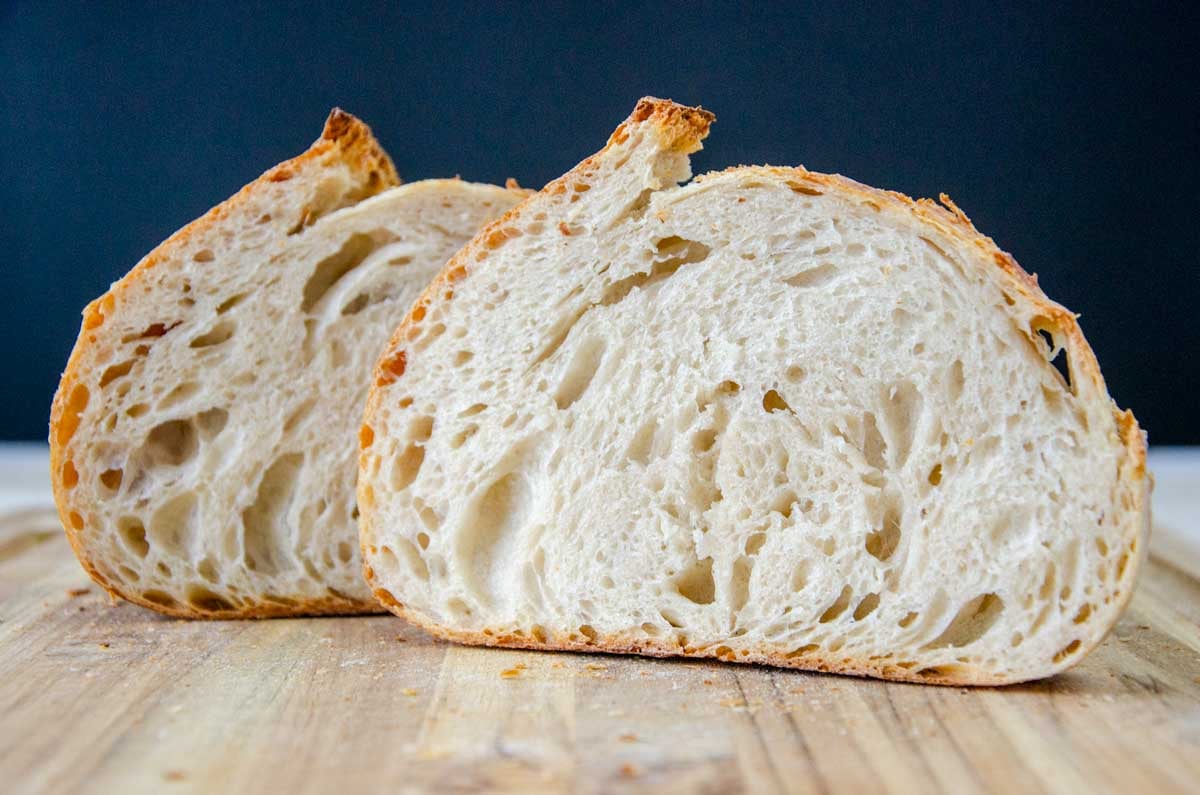
Usually, achieving the best results in making sourdough bread comes from using a strong flour. It provides enough strength to hold the carbon dioxide as the bread ferments. Resulting in a tall, open crumb bread.
Popular store brands like King Arthur Bread Flour has 12.7% protein is excellent for sourdough bread. Bob’s Red Mill Artisan Bread Flour has 12.5%-13.5%. Both are easy to find in most grocery stores.
New to Sourdough Baking? With so much information, it can quickly become overwhelming. Consistency is key. Stick with the same brand of flour, the same sourdough bread recipe, and use a digital scale until you understand the bread-making process. Too many variables create too many issues, making it harder to understand what’s happening as you’re learning.
To Conclude
While bread flour vs all purpose flour might look the same, they’re different and best suited for different applications, especially in bread baking. In recipes that don’t gravitate to either end of the spectrum, when tenderness or strength aren’t the priority, feel free to experiment and use the two interchangeably.
Since all types of flours vary by brand, it’s best to understand flour beyond just its name and pay attention to its protein content so you can choose the right type of flour and bake with confidence and success.
If you found this post helpful, please leave me a comment to let me know and share it with a fellow sourdough baker! Happy Baking!
I’ve always been science-y by nature, and experimenting with baking is the best real-life application! I look forward to hearing about your trial, error, and successes!